

Design is often celebrated for its outcomes, the sleek lines of a finished building, the harmony of materials, the way light moves through a space. Yet, the most transformative design work rarely begins with a sketch or a rendering. Instead, the process begins with a question. At 6ixdesign, the architectural design process of shaping meaningful architecture starts long before the first concept is drawn. From the outset, it grows from curiosity, conversation, and a willingness to challenge assumptions—our own and our clients’.
Good design is not about imposing a vision; it’s about uncovering one. Every project, whether a compact infill home or a multi-unit residential development, carries its own set of conditions, constraints, and opportunities. The difference between a design that simply works and one that truly resonates lies in how deeply those conditions are understood. Ultimately, that clarity comes from asking better questions.
The Power of the First Question
At the start of a new project, it can be tempting to jump directly into ideas sketching forms, exploring materials, or imagining how the building might look. However, the first question we ask is never “What should it look like?” Instead, we ask, “Why does this project exist?”
That question immediately shifts the conversation toward purpose. Is the goal to create a home that can adapt to a growing family? Is it to reimagine an underused urban lot as a vibrant infill development? Or is it to balance density with livability? The answer to “why” sets the direction for every design decision that follows. Without this foundation, even the most visually appealing concept can feel shallow.
As the process continues, the questions naturally deepen. For example, what does success look like for the client, not only aesthetically, but also functionally, emotionally, and financially? How should the building respond to its context, its neighbours, and its environment? Which constraints are fixed, and which ones can become opportunities?
Over time, each question reframes the problem. What often begins as a discussion about square footage or façade treatment evolves into a deeper dialogue about lifestyle, community, and identity.
Listening as a Design Tool
Asking strong questions is only part of the process. Equally important is listening carefully and intentionally to the answers. Clients often arrive with a vision, but beneath that vision are values, concerns, and priorities that are not always stated directly. Our role is to listen to both what is said and what remains unspoken.
Listening also extends beyond the client. The site offers guidance through its orientation, topography, and history. At the same time, the surrounding neighbourhood provides insight through its rhythm, scale, and character. Zoning requirements and budget limits further shape the conversation by defining practical boundaries. Together, these voices add depth to the design narrative.
By treating listening as a design tool, the process shifts from designing for clients to designing with them. As a result, the work becomes collaborative, iterative, and grounded in shared understanding.
Constraints as Catalysts
Every project includes constraints. In many cases, these are physical, such as a narrow lot or a challenging grade. In other situations, they are regulatory, including setbacks, height limits, or heritage guidelines. Financial realities, like tight budgets or phased construction, also play a role. Rather than viewing these factors as obstacles, we approach them as catalysts for creativity. Constraints create focus and demand clarity. As a result, each design decision becomes more deliberate.
When the right questions are asked, constraints often reveal new possibilities. Instead of asking how to work around a limitation, a more productive question becomes: what can this condition teach us? This mindset transforms the design process from simple problem-solving into opportunity-driven thinking.
The Human Context
Architecture never exists in isolation. Every building sits within a human context shaped by the people who use it, the neighbours who live beside it, and the community that surrounds it. Asking better questions means looking beyond the client brief to consider broader social and environmental impacts.
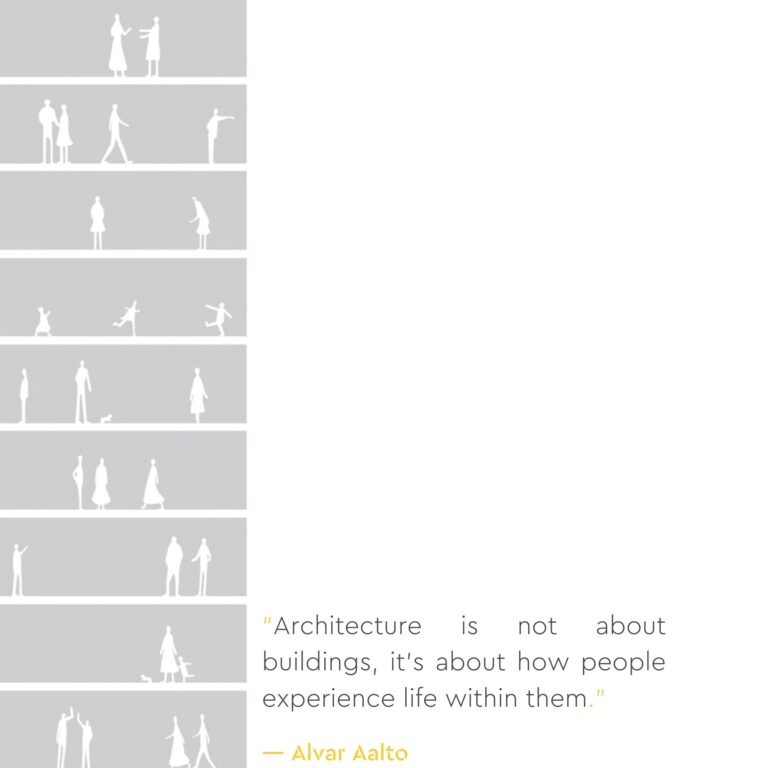
How will the building contribute to the street? How might it change over time? Moreover, how will it support sustainable living, both in terms of energy performance and daily use?
By grounding design decisions in human experience, architecture becomes more than a structure. It becomes a place that feels connected, purposeful, and alive.
Collaboration Over Ego
Design is often portrayed as the result of a singular vision. In reality, it is a collective effort. Architects, clients, engineers, builders, and consultants all bring valuable perspectives to the table. The strength of the final outcome depends on how well those perspectives are aligned.
At 6ixDesign, collaboration begins with humility. The process creates room for dialogue between disciplines, ideas, and priorities. When thoughtful questions guide these conversations, trust grows and innovation follows. As a result, decisions made from concept through construction remain aligned with the project’s core intent.
The Iterative Nature of Discovery
The act of asking better questions does not stop once a concept is established. Instead, it continues throughout every phase of design. Each stage—schematic design, development, and detailing—introduces new information and new challenges.
Rather than following a straight line, design unfolds as a cycle of inquiry, reflection, and refinement. With each iteration, the project moves closer to clarity. This approach ensures that the final result grows from understanding rather than assumption.
Balancing Vision and Reality
Every project exists at the intersection of vision and reality. Clients bring aspirations that are sometimes ambitious and sometimes abstract. Designers translate those aspirations into built form while protecting what matters most.
That translation requires constant evaluation. Which elements of the vision are essential? Where does flexibility exist? How can the intended experience be achieved within real-world constraints?
Balancing vision and reality is not about compromise. Instead, it is about alignment. Each decision, from massing to material selection, supports the project’s deeper purpose.
The Ethics of Inquiry
Asking better questions also carries ethical responsibility. Architecture shapes lives and landscapes, and the questions asked early in the process influence long-term outcomes.
What impact will this project have on its environment? How can it support sustainability, inclusivity, and resilience? These considerations actively guide the design process rather than sitting outside it.
Sustainability, for example, is not an afterthought. Design teams integrate it into the earliest conversations by exploring passive strategies, responsible material choices, and building forms that encourage daylight and natural ventilation.
By approaching design as an ethical inquiry, architects contribute positively to both people and the planet.
The Emotional Dimension of Design
Beyond function and form, architecture has the power to shape emotion. A space can calm, inspire, connect, or uplift. By asking the right questions, designers uncover the emotional goals behind a project.
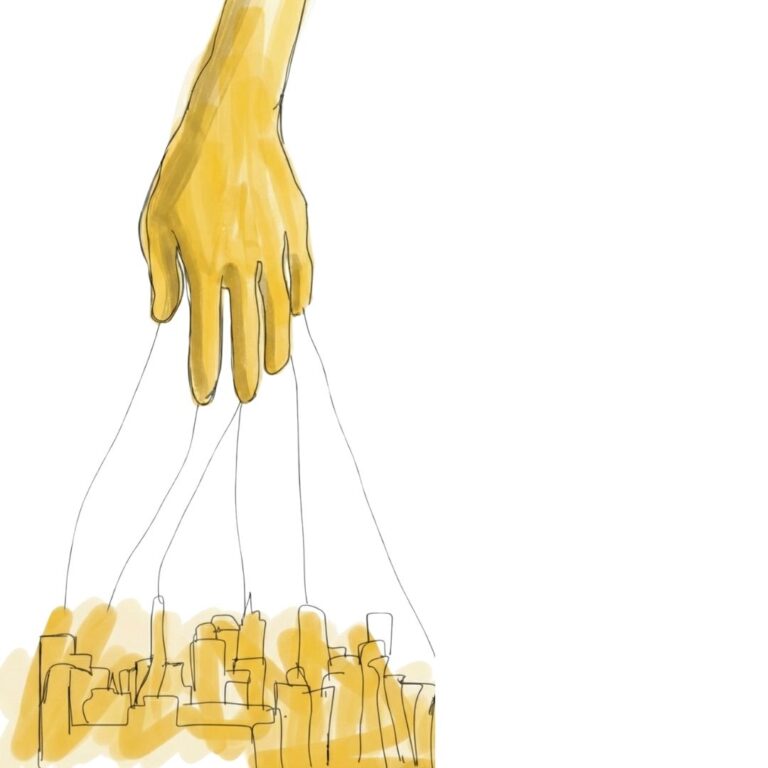
What should the space feel like? How might that feeling change throughout the day or across seasons? In what ways can light, texture, and proportion shape those moments?
Although emotion is intangible, it often defines how a space is remembered. When design questions extend beyond practicality, environments begin to resonate on a deeper level.
The Value of the Architectural Design Process
At its core, asking better questions creates clarity. It reveals not only what a project is, but also why it matters.
When the right questions guide the process, the design begins to reveal itself. As a result, form, materials, and details emerge naturally from a well-understood purpose. Rather than feeling like invention, the process becomes one of discovery.
At 6ixDesign, this approach shapes every project we undertake. Whether designing a compact urban infill or a custom residence, the goal remains consistent: to create architecture that is thoughtful, responsive, and enduring.
That journey begins not with answers, but with curiosity and with deep respect for the architectural design process that transforms ideas into meaningful spaces.
We believe great architecture is not simply built. it is discovered through dialogue, reflection, and purpose.
