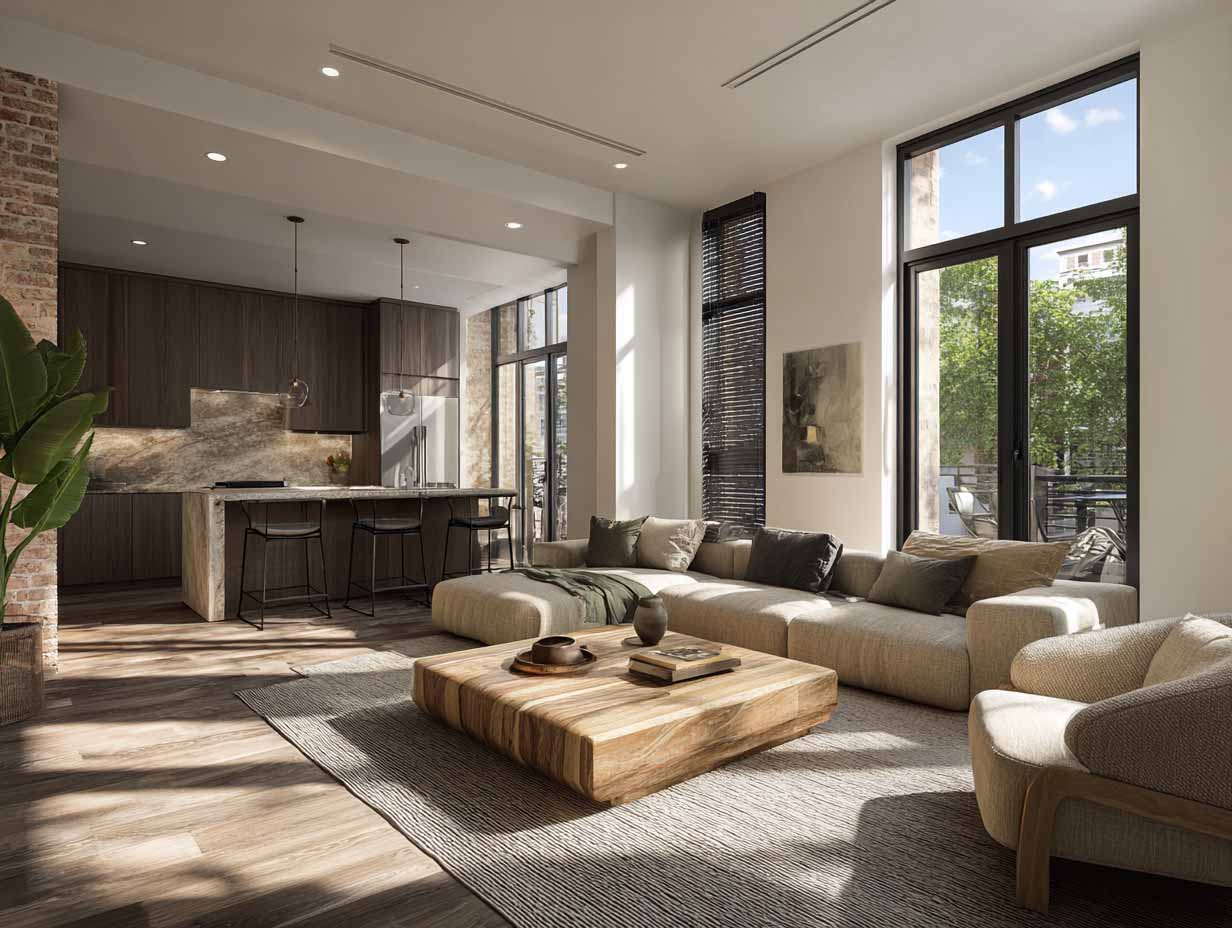

Why Multiplexes Actually Foster Community?
Density often gets a bad rap—but in reality, carefully designed multiplexes (like fourplexes or branded 6ixplexes) can create the kind of human-scaled living that strengthens neighborhoods. Drawing on insights from “Multiple Perspectives on Multiplexes: How ‘Missing Middle’ Housing Is Reshaping Canadian Real Estate” and studies on the importance of community, we can clearly see: density done well builds connection, belonging, and resilience.
This is especially true for multiplex housing, a subject we introduced in our first blog post, What is a Multiplex?. There, we explored how multiplexes offer flexible, human-scaled housing for a changing Toronto. But what we didn’t dive into then is how these buildings can support something deeper than housing: they can foster a real sense of community. Let’s look beyond unit counts and zoning laws to explore the psychology of density—and why multiplexes, fourplexes, and 6ixplexes can help rebuild the social fabric of Toronto’s
Multiplexes: Part of Canada’s Missing Middle Solution
As Real Estate Magazine explains, missing middle housing—like multiplexes—is gaining
traction in cities such as Toronto and Vancouver. These homes vary from two to eight units, enabling more homes per lot without veering into high-rise territory.
Legislative changes, like Toronto’s 2023 zoning update, now permit up to four-unit multiplexes city-wide, making them central to affordable, walkable, and sustainable neighbourhood design.
These small-scale buildings allow more people to live in desirable, walkable areas, without sacrificing the charm and character of the neighborhood. And as we noted in previous blog, this gentle approach to density is exactly what Toronto needs: housing that increases supply while preserving community identity.
The Social Side of Density: Why Community Matters
1. Belonging, Identity & Support
Living in a fourplex creates intentional small communities. That sense of belonging and shared identity supports emotional well-being and trust. As detailed by The Knowledge Academy, communities foster belonging and provide communication, empathy, and emotional support— values that multiplex residents naturally experience
2. Shared Responsibility Builds Connection
In homes with shared infrastructure—trash, snow removal, common yards—neighbors engage in cooperative routines that foster weak social ties over time. This shared responsibility nurtures community resilience and reduces isolation.
3. Community Resilience & Local Engagement
Spaces where neighbors interact regularly—front porches, side yards, laneway gardens—are what sociologists describe as “community of place.” These are key to engagement and solidarity, reducing anonymity and segregation in neighborhoods (Wikipedia, 2024). With multiplex design built around these semi-private shared zones, residents tend to stay longer and even help drive local civic engagement.
4. Why Scale Matters: Gentle Density
Multiplexes avoid the anonymity of towers and the isolation of single-family sprawl. This “gentle density” maintains human-scale design, supports walkable neighborhoods, and activates community life with foot traffic and third places like stoops and shared gardens.
As Real Estate Magazine illustrates, multiplexes support the “missing middle” without compromising the intimacy of low-rise communities
5. Multiplex Housing Anchors Lives and Neighborhoods
Multiplexes often attract long-term residents—multigenerational families, owner-occupiers renting out other units, or close friends building shared lives. These residents reinforce neighborhood continuity, care for shared spaces, and build intergenerational networks—all hallmarks of cohesive community life.
The Science of Community and Mental Health
Community isn’t just a feel-good buzzword—it has tangible benefits. According to Brilliantio, strong communities help reduce anxiety, improve emotional well-being, and foster resilience in times of crisis.
Similarly, The Knowledge Academy highlights that connection, support, and belonging are essential for mental and emotional health.
A thoughtfully designed multiplex project doesn’t just create homes—it creates the conditions for these connections to form and thrive.
Final Thoughts: The Real Value of the Missing Middle
At 6ixDesign, we believe multiplexes are more than just a tool for gentle densification. As we highlighted in our inaugural post, they are a catalyst for healthier, more connected communities.
By designing small-scale, multi-unit homes that fit within the scale of their surroundings—and encouraging social infrastructure like shared entrances, visible front doors, and semi-private spaces, we’re helping to build neighborhoods where people don’t just live near each other, they know each other.